Are you interested in diving into the world of US stock trading? Opening a US stock trading account can unlock a plethora of investment opportunities and allow you to participate in the exciting world of Wall Street. However, before you take the plunge, it's important to understand the ins and outs of US stock trading accounts, from the basics of how they work to the different types available.
In this comprehensive guide, we will walk you through everything you need to know about US stock trading accounts. We will cover the essentials of what a trading account is, the benefits of opening one, and the different types of accounts you can choose from. Additionally, we'll provide you with valuable insights into the process of opening an account, the documents you'll need, and the steps involved in getting started.
What is a US Stock Trading Account?
At its core, a US stock trading account is a financial account that allows individuals to buy and sell stocks listed on US stock exchanges. It serves as a gateway for investors to participate in the US stock market and capitalize on potential opportunities for profit. A trading account acts as an intermediary between you, the investor, and the stock exchanges where the buying and selling of stocks take place.
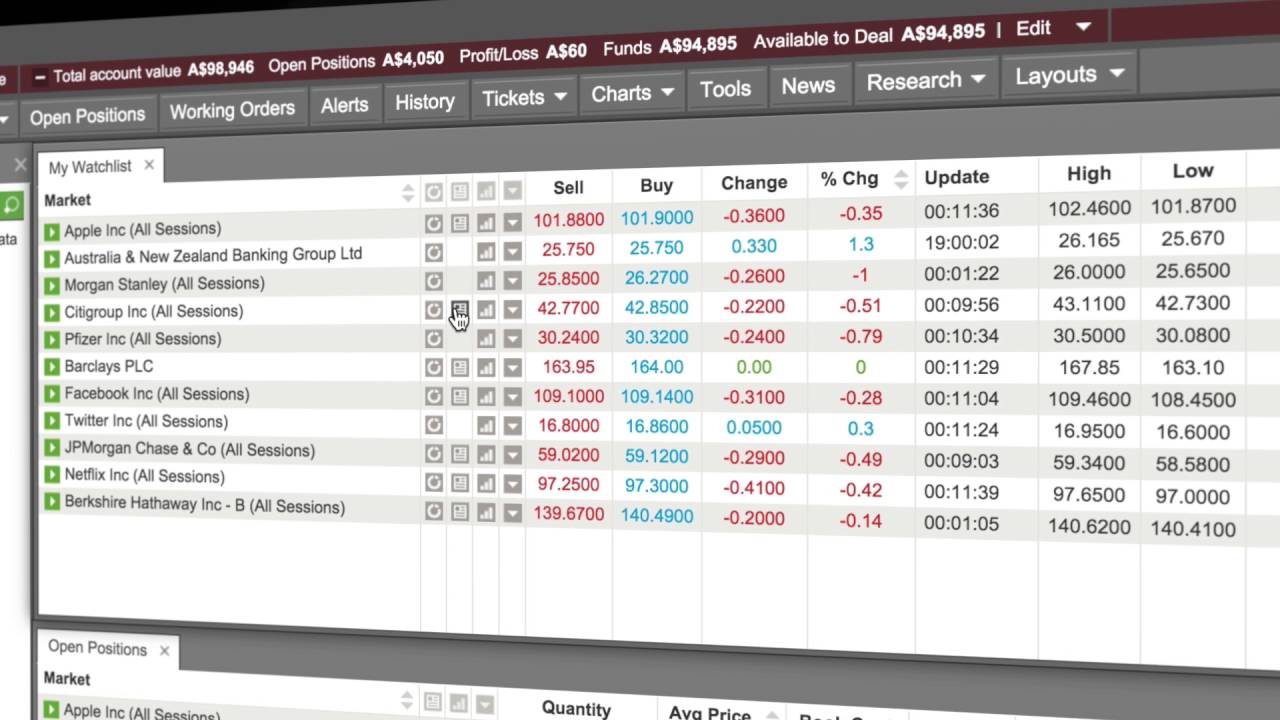
When you open a US stock trading account, you gain access to a trading platform that provides real-time market data, order execution services, and account management tools. These platforms are designed to facilitate seamless and efficient trading, allowing you to monitor stock prices, place buy or sell orders, and manage your portfolio all in one place.
The Role of Trading Platforms
Trading platforms play a crucial role in US stock trading accounts. They serve as the interface through which you interact with the stock market. These platforms provide a range of features and tools that enable you to analyze stock performance, track market trends, and execute trades.
Some popular trading platforms include well-known brokerage firms such as TD Ameritrade, E*TRADE, and Charles Schwab. These platforms often offer a user-friendly interface, advanced charting tools, customizable watchlists, and real-time market news. It's important to choose a trading platform that aligns with your trading goals, preferences, and level of experience.
Understanding Order Types
When trading stocks, it's essential to understand different order types available to you. An order type specifies the instructions for buying or selling a stock. Here are some common order types you may encounter:
Market Order: A market order is an instruction to buy or sell a stock at the best available price in the market. It guarantees execution but does not guarantee the price at which the order will be executed.
Limit Order: A limit order allows you to set a specific price at which you are willing to buy or sell a stock. The order will only be executed if the stock reaches your specified price or better.
Stop Order: A stop order becomes a market order once the stock reaches a specified price known as the stop price. It is used to limit losses or capture profits at a predetermined price level.
Account Management Tools
Modern trading platforms offer a range of account management tools to help you effectively monitor and manage your investments. These tools include portfolio trackers, profit and loss calculators, tax reporting features, and more. Utilizing these tools can provide valuable insights into your trading performance and aid in making informed investment decisions.
Benefits of Opening a US Stock Trading Account
When it comes to opening a US stock trading account, numerous benefits await investors. Here are some key advantages of having a US stock trading account:
Access to the Largest Stock Market
By opening a US stock trading account, you gain access to the largest stock market in the world. The US stock market boasts a wide range of companies listed on major exchanges such as the New York Stock Exchange (NYSE) and the NASDAQ, providing ample opportunities for diversification and potential growth.
Opportunity for Global Investments
Investing in US stocks allows you to tap into the global economy. Many multinational companies are listed on US exchanges, making it easier for you to invest in international brands and industries. This provides diversification to your portfolio and exposure to different markets and economic trends.
Potential Tax Advantages
Depending on your country of residence, opening a US stock trading account may offer potential tax advantages. Some countries have tax treaties with the US that allow for reduced or exempted taxes on capital gains earned from US investments. It's essential to consult with a tax advisor to understand the specific tax implications in your jurisdiction.
Access to Advanced Trading Tools
US stock trading accounts often come with access to advanced trading tools and research resources. These tools can help you analyze stock performance, screen for investment opportunities, and develop trading strategies. With real-time market data and comprehensive research capabilities, you can make more informed trading decisions.
Types of US Stock Trading Accounts
US stock trading accounts come in various forms to cater to the diverse needs and preferences of investors. Here are some common types of accounts you may encounter:
Individual Brokerage Account
An individual brokerage account is a popular choice for individual investors. It allows you to buy and sell stocks in your name, giving you full control over your investment decisions. This type of account is suitable for investors who prefer to manage their own portfolios and make independent trading decisions.
Joint Account
A joint account is a trading account shared between two or more individuals. It allows multiple account holders to contribute funds, trade stocks, and manage investments together. Joint accounts are commonly used by spouses, business partners, or family members who want to pool their resources and invest jointly.
Retirement Account (IRA)
A retirement account, also known as an Individual Retirement Account (IRA), is specifically designed to help individuals save for retirement. There are different types of IRAs, such as Traditional IRAs and Roth IRAs, each with its own tax advantages and eligibility criteria. Retirement accounts offer tax benefits, allowing you to potentially grow your retirement savings in a tax-efficient manner.
Margin Account
A margin account allows investors to borrow funds from the brokerage firm to buy stocks. This type of account gives you the ability to trade with leverage, potentially magnifying your gains or losses. Margin accounts require meeting certain eligibility criteria and involve additional risks, so it's important to fully understand the terms and risks before opening one.
Managed Account
A managed account is a type of trading account where a professional money manager makes investment decisions on your behalf. With a managed account, you delegate the responsibility of managing your portfolio to an experienced professional. This can be an attractive option for investors who prefer a hands-off approach or lack the time or expertise to actively manage their investments.
How to Open a US Stock Trading Account
Opening a US stock trading account is a relatively straightforward process. Here's a step-by-step guide to help you get started:
Step 1: Choose a Suitable Brokerage Firm
The first step is to research and choose a brokerage firm that suits your trading needs. Consider factors such as fees, trading platforms, research tools, customer support, and the available range of investment products. Take your time to compare different options and select a reputable brokerage firm.
Step 2: Complete the Application
Once you've selected a brokerage firm, you'll need to complete an application form. This form will require personal information, such as your name, address, Social Security number (or equivalent), employment details, and financial information. The brokerage firm may also require you to provide proof of identity and address.
Step 3: Fund Your Account
After your application is approved, you'll need to fund your US stock trading account. Most brokerage firms offer various funding options, such as bank transfers, wire transfers, or electronic funds transfers. Choose the method that is most convenient for you and follow the instructions provided by the brokerage firm.
Step 4: Explore the Trading Platform
Once your account is funded, take the time to familiarize yourself with the trading platform. Explore the various features, tools, and resources available to you. This will help you navigate the platform more efficiently and make informed trading decisions.
Choosing the Right Brokerage for Your US Stock Trading Account
Choosing the right brokerage firm is crucial when it comes to your US stock trading account. Here are some factors to consider:
Fee Structure
Review the fee structure of different brokerage firms. Look for transparency in pricing and consider both trading commissions and non-trading fees, such as account maintenance fees and wire transfer fees. Assess how these fees may impact your trading strategy and overall profitability.
Trading Platforms
Evaluate the trading platforms offered by different brokerage firms. Look for platforms that are user-friendly, provide real-time market data, offer advanced charting tools, and have a wide range of order types available. Consider whether the platform can be accessed via the web, mobile devices, or desktop applications based on your preferences.
Research Tools and Analysis
Research Tools and Analysis
Consider the research tools and analysis resources provided by the brokerage firm. Look for platforms that offer comprehensive market research, company analysis, and technical indicators. These tools can assist you in making informed trading decisions and staying updated with the latest market trends.
Customer Support
Assess the quality of customer support provided by different brokerage firms. Look for firms that offer responsive and knowledgeable customer service representatives who can assist you with any queries or issues you may encounter. It's important to have reliable support when you need assistance with your trading account.
Account Security
Ensure that the brokerage firm you choose prioritizes account security. Look for firms that offer robust security measures, such as two-factor authentication, encryption protocols, and segregated client funds. Your trading account should be protected against unauthorized access and potential cyber threats.
Funding Your US Stock Trading Account
Once you have successfully opened your US stock trading account, the next step is to fund it. Here are some common funding options:
Bank Transfers
Bank transfers are a convenient option for funding your stock trading account. You can link your brokerage account to your bank account and transfer funds electronically. This method is secure and allows for easy tracking of your transactions.
Wire Transfers
Wire transfers involve transferring funds directly from your bank to your brokerage account. This method is typically faster than standard bank transfers but may come with additional fees. It's important to check with your brokerage firm regarding any wire transfer fees and processing times.
Mobile Payment Apps
Some brokerage firms may also offer the option to fund your trading account using mobile payment apps such as PayPal or Venmo. This allows for quick and convenient transfers from your mobile device. However, not all brokerage firms may support this funding method, so it's essential to verify its availability.
Understanding US Stock Market Regulations
The US stock market operates under a regulatory framework to ensure fair and transparent trading practices. Here are key regulatory bodies and their roles:
Securities and Exchange Commission (SEC)
The Securities and Exchange Commission (SEC) is the primary regulatory body overseeing the US securities industry. It is responsible for enforcing federal securities laws, regulating stock exchanges, and protecting investors. The SEC ensures that companies provide accurate and complete information to investors and maintains the integrity of the stock market.
Financial Industry Regulatory Authority (FINRA)
The Financial Industry Regulatory Authority (FINRA) is a self-regulatory organization that oversees brokerage firms and registered brokers in the US. FINRA establishes rules and regulations for its member firms, conducts examinations, and enforces compliance with industry standards. It aims to protect investors and maintain fair and ethical practices within the brokerage industry.
Other Regulatory Agencies
In addition to the SEC and FINRA, other regulatory agencies play a role in overseeing specific aspects of the US stock market. For example, the Commodity Futures Trading Commission (CFTC) regulates the trading of futures contracts, while the Federal Reserve oversees monetary policy and regulates certain banking activities.
Strategies for Successful US Stock Trading
Successful US stock trading requires a well-thought-out strategy and disciplined approach. Here are some strategies to consider:
Develop a Trading Plan
A trading plan outlines your trading goals, risk tolerance, and trading strategy. It helps you stay focused and disciplined, preventing impulsive or emotionally-driven trading decisions. A trading plan should include entry and exit criteria, risk management strategies, and a clear investment thesis.
Understand Fundamental Analysis
Fundamental analysis involves evaluating a company's financial health, industry trends, and market conditions to assess its intrinsic value. By analyzing factors such as earnings, revenue, competitive advantage, and management team, you can make informed investment decisions based on the long-term prospects of a company.
Utilize Technical Analysis
Technical analysis involves studying price patterns, charts, and trading indicators to forecast future price movements. By identifying trends, support and resistance levels, and momentum indicators, you can make short-term trading decisions based on market psychology and price action.
Implement Risk Management Strategies
Risk management is crucial in stock trading to protect your capital. Set appropriate stop-loss orders to limit potential losses and consider diversifying your portfolio to spread risk across different sectors or asset classes. Additionally, avoid overtrading and stick to your trading plan to minimize emotional decision-making.
Common Mistakes to Avoid in US Stock Trading
Avoiding common mistakes can help protect your investment capital and improve your trading results. Here are some pitfalls to watch out for:
Emotional Trading
Letting emotions drive your trading decisions can lead to impulsive and irrational actions. Avoid making hasty decisions based on fear, greed, or panic. Stick to your trading plan and rely on data and analysis rather than emotions.
Not Conducting Adequate Research
Insufficient research can lead to poor investment decisions. Take the time to research and understand the companies you invest in. Consider factors such as financial health, competitive landscape, and industry trends before committing your capital.
Chasing Hot Stocks
Chasing hot stocks based on short-term market trends can be risky. Stocks that have already experienced significant price appreciation may be overvalued and prone to corrections. Focus on long-term value and invest in companies with solid fundamentals and growth prospects.
Failure to Diversify
Concentrating your investments in a single stock or sector can expose you to undue risk. Diversification helps spread risk across different investments, reducing the potential impact of any single stock's performance on your portfolio. Consider diversifying across sectors, asset classes, and geographical regions.
Staying Informed: Resources for US Stock Traders
Staying informed is essential for successful US stock trading. Here are some valuable resources:
Financial News Websites
Stay updated with the latest market news and developments by following reputable financial news websites. Websites such as Bloomberg, CNBC, and Reuters provide comprehensive coverage of financial markets, economic events, and company news.
Market Research Platforms
Utilize market research platforms that offer in-depth analysis, stock screeners, and investment research. Platforms like Morningstar, Zacks Investment Research, and Seeking Alpha can provide valuable insights into company fundamentals, analyst opinions, and market trends.
Educational Materials
Continue learning and improving your trading skills through educational materials. Books, online courses, and webinars can provide valuable knowledge on topics such as technical analysis, fundamental analysis, risk management, and trading strategies. Take advantage of resources from reputable sources like Investopedia, StockCharts, and the CFA Institute.
In conclusion, opening a US stock trading account can be a gateway to exciting investment opportunities. By understanding the fundamentals, types of accounts, and the process involved, you'll be well-equipped to embark on your stock trading journey with confidence. Remember to choose a reputable brokerage, stay informed, and implement sound trading strategies to maximize your chances of success in the dynamic world of US stock trading.